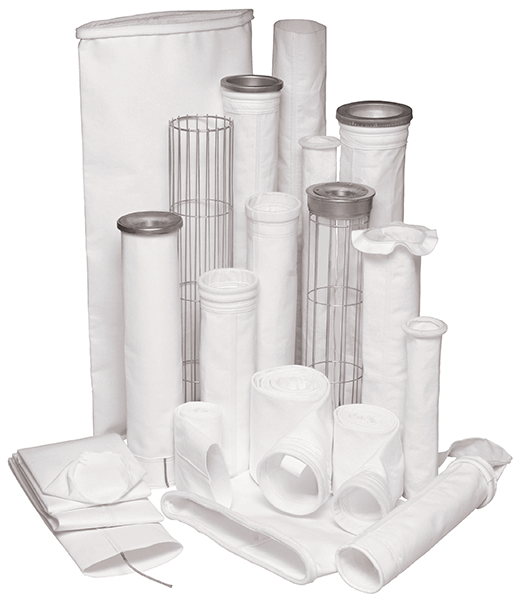
? Dust Collector Filter Bags – Full Description
Dust collector filter bags are essential components in industrial dust collection systems. They are designed to capture and filter particulate matter, dust, and other airborne contaminants generated during manufacturing and processing operations. These bags ensure cleaner air quality, regulatory compliance, and enhanced equipment efficiency.
? Overview
Dust collector filter bags trap fine particles from air or gas streams as they pass through the filtration system. They are typically used in industries like cement production, metalworking, pharmaceuticals, food processing, and woodworking.
? Key Features
-
Material Composition:
-
Polyester: Cost-effective and commonly used for general dust collection.
-
Nomex (Aramid): Heat-resistant, ideal for high-temperature environments.
-
PTFE (Teflon®): Chemically resistant and suitable for harsh industrial applications.
-
Polypropylene: Moisture-resistant for wet or humid conditions.
-
Fiberglass: High thermal tolerance and excellent chemical resistance.
-
-
Filtration Efficiency:
-
Captures particles as small as 0.5 microns.
-
Meets OSHA and EPA air quality standards.
-
-
Design Types:
-
Standard Filter Bags: Cylindrical or tubular for general dust collection.
-
Envelope Bags: Flat bags for compact filtration systems.
-
Pleated Bags: Increased surface area for higher efficiency and longer service life.
-
-
Bag Configurations:
-
Snap Band: Easy installation with a self-sealing design.
-
Ring Top: Provides a secure fit and prevents dust bypass.
-
Flange Top: Ensures a tight seal for heavy-duty applications.
-
-
Temperature Resistance:
-
Ranges from 150°C (302°F) to 260°C (500°F) depending on material.
-
-
Customization Options:
-
Various diameters, lengths, and end finishes.
-
Anti-static, oil-repellent, and water-resistant coatings.
-
? Applications
-
Cement and Asphalt Plants: Captures fine dust from material handling.
-
Metal Fabrication: Filters metallic dust from cutting, welding, and grinding.
-
Pharmaceuticals: Ensures clean air by trapping fine powder and particulate matter.
-
Food Processing: Controls dust from flour, sugar, and other food products.
-
Woodworking: Removes sawdust and wood particles from the air.
✅ Advantages
-
Improved Air Quality: Reduces airborne contaminants for worker safety.
-
Energy Efficiency: Optimizes airflow, reducing power consumption.
-
Compliance: Meets environmental and occupational health regulations.
-
Durability: Long-lasting with wear-resistant materials.
-
Custom Fit: Adaptable to various dust collector brands and systems.
? Maintenance and Replacement
-
Cleaning Methods: Pulse jet cleaning, mechanical shaking, or reverse air flow.
-
Lifespan: Varies based on material and operating conditions (typically 1-5 years).
-
Signs of Replacement: Reduced suction, visible leaks, or increased emissions.