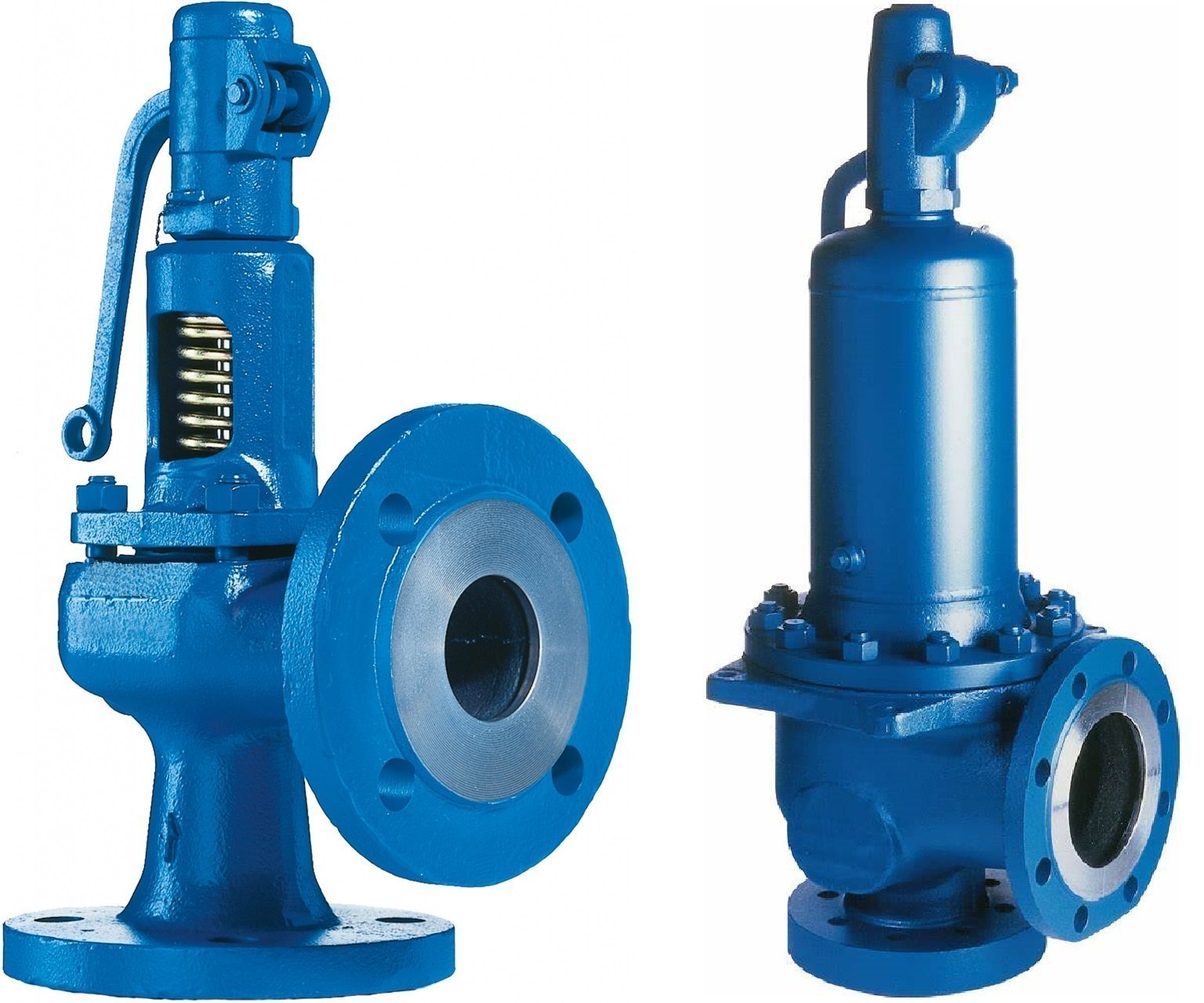
? Safety Relief Valve – Full Description
A Safety Relief Valve is a critical safety device used in systems to prevent overpressure situations that could lead to equipment failure, leaks, or even catastrophic accidents. These valves are designed to open automatically to release excess pressure when it exceeds a preset limit, protecting both the system and its components from damage.
? Overview
Safety relief valves are commonly used in industries such as oil and gas, chemical processing, power generation, HVAC, and water treatment. They are typically installed in pressure vessels, pipelines, boilers, and other pressurized systems to ensure that the pressure within the system remains within safe operating limits.
? Key Components of a Safety Relief Valve
-
Body:
-
The valve body houses all the internal components and is typically made of durable materials like carbon steel, stainless steel, or alloy steel to withstand high pressures and temperatures.
-
-
Spring:
-
The spring controls the opening pressure of the valve. It is adjustable to allow precise control of the relief pressure.
-
-
Seat and Disc:
-
The seat is the part where the disc seals when the valve is closed. The disc moves when the pressure exceeds the set point, allowing fluid or gas to escape.
-
-
Nozzle or Orifice:
-
The opening through which the pressurized medium is released once the valve opens. The size of the nozzle determines the flow capacity.
-
-
Adjustable Mechanism:
-
A means of adjusting the spring tension to set the relief pressure to the desired value.
-
-
Lift/Lever Mechanism (in some designs):
-
A lever that can be manually operated to test the valve's operation or to help release pressure manually in some cases.
-
? Working Principle of a Safety Relief Valve
-
Normal Operation:
-
In normal conditions, the valve remains closed, sealing the system and maintaining pressure.
-
-
Excess Pressure Detection:
-
When the system pressure exceeds the set pressure, the spring compresses, allowing the valve to open.
-
-
Pressure Relief:
-
The valve opens, releasing excess fluid or gas from the system. This reduces the pressure to a safe level.
-
-
Valve Re-seating:
-
Once the pressure drops below the set limit, the spring closes the valve, resealing the system and returning it to normal operation.
-
? Applications of Safety Relief Valves
-
Pressure Vessels & Boilers:
-
Prevents overpressurization in steam boilers or pressure vessels to avoid explosions.
-
-
Piping & Pipelines:
-
Protects pipelines in oil, gas, and chemical industries from excess pressure due to blockages or system malfunctions.
-
-
HVAC Systems:
-
Prevents damage in heating, ventilation, and air conditioning systems by releasing excessive pressure in refrigerant lines.
-
-
Water Treatment Systems:
-
Maintains safe pressure levels in water treatment plants to avoid ruptures in pipes or tanks.
-
-
Hydraulic & Pneumatic Systems:
-
Ensures hydraulic systems or pneumatic lines do not exceed safe pressure levels.
-
✅ Advantages of Safety Relief Valves
-
Pressure Control:
-
Maintains pressure within safe operating limits, preventing system damage and hazards.
-
-
Automatic Operation:
-
Opens automatically when pressure exceeds the set point, reducing the need for manual intervention.
-
-
Safety Assurance:
-
Protects both equipment and personnel by ensuring pressure doesn’t rise to dangerous levels.
-
-
Durable & Reliable:
-
Designed for heavy-duty applications, safety relief valves are durable and reliable under extreme conditions.
-
-
Cost-Effective:
-
Reduces the risk of costly repairs, accidents, and downtime by preventing damage to systems.
-
⚠️ Limitations of Safety Relief Valves
-
Wear & Tear:
-
Over time, the valve components, especially the spring and disc, may degrade, leading to reduced performance.
-
-
Maintenance Requirements:
-
Regular testing, calibration, and maintenance are required to ensure the valve functions properly.
-
-
Flow Capacity Limitations:
-
Safety relief valves are designed for specific flow rates; using them in systems with higher flow demands could lead to inadequate pressure relief.
-
-
Noise:
-
When the valve opens, especially during high-pressure releases, it may cause noise due to the rapid escape of fluid or gas.
-
? Specifications of a Safety Relief Valve (Example)
| Feature | Details |
|---|---|
| Set Pressure Range | 0.5 to 100 bar (7.25 to 1450 psi) |
| Material Construction | Stainless Steel, Brass, Alloy Steel |
| Connection Type | Threaded, Flanged, Clamp |
| Pressure Relief Type | Spring-loaded, Pilot-operated |
| Valve Size | 1/2 inch to 6 inches |
| Temperature Range | -50°C to 400°C (depending on model) |
| Flow Capacity | Varies by valve size (up to 1000 m³/hr) |
?️ Maintenance & Care of Safety Relief Valves
-
Periodic Testing:
-
Regularly test the valve to ensure it opens at the set pressure and reseals properly.
-
-
Cleaning:
-
Clean the valve periodically to remove any debris or sediment that could affect its function.
-
-
Spring Replacement:
-
Replace the spring if it shows signs of fatigue or loss of tension.
-
-
Seat Inspection:
-
Inspect the valve seat and disc for wear or damage, which could cause leakage or improper sealing.
-
-
Calibration:
-
Calibrate the valve at regular intervals to ensure it opens at the correct pressure.
-