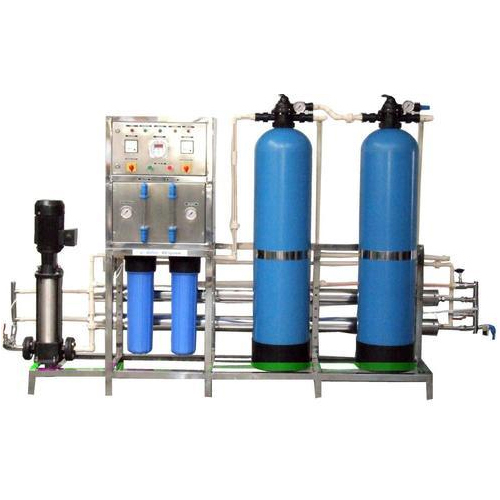
? RO Purifier – Full Description
A Reverse Osmosis (RO) Purifier is a water filtration system that uses the reverse osmosis process to remove contaminants, chemicals, and dissolved solids from water. By forcing water through a semi-permeable membrane, the purifier separates clean water from impurities, providing safe and drinkable water for domestic and commercial use.
? Overview
RO purifiers are widely used in homes and businesses for water filtration because they effectively remove pollutants such as chlorine, heavy metals (lead, arsenic), fluoride, pesticides, bacteria, viruses, and dissolved salts. They provide purified water that is healthier, tastier, and safe for consumption.
? Key Components of an RO Purifier
-
Pre-Filters:
-
Sediment Filter: Removes large particles like dirt, sand, and rust to prevent clogging of the RO membrane.
-
Activated Carbon Filter: Removes chlorine, pesticides, organic chemicals, and bad odors from the water.
-
-
RO Membrane:
-
A semi-permeable membrane that filters out 99% of contaminants from water, including heavy metals, salts, bacteria, viruses, and other impurities. The membrane's tiny pores allow only clean water molecules to pass through, leaving contaminants behind.
-
-
Post-Filter:
-
Carbon Polishing Filter: Enhances taste and removes any remaining impurities or odors after the RO process.
-
-
Storage Tank:
-
Holds purified water, typically ranging from 5 to 15 liters for home use, and more for commercial models.
-
-
UV Sterilizer (Optional):
-
Kills remaining microorganisms such as bacteria and viruses, ensuring the water is completely sanitized.
-
-
Remineralization Filter (Optional):
-
Adds essential minerals (calcium, magnesium) back into the water to improve taste and nutritional value.
-
-
Automatic Shut-off Valve:
-
Prevents water wastage by shutting off the system when the storage tank is full.
-
? Applications of RO Purifiers
-
Residential Use:
-
Provides clean and purified drinking water in homes, ensuring safe water for daily use, cooking, and drinking.
-
-
Commercial Use:
-
Used in offices, restaurants, and cafes to ensure access to purified water for employees and customers.
-
-
Industrial Use:
-
Provides purified water for manufacturing processes, laboratories, pharmaceuticals, and food processing.
-
-
Healthcare:
-
Used in hospitals and medical facilities to ensure the purity of water for patient care, dialysis, and medical equipment sterilization.
-
✅ Advantages of an RO Purifier
-
Effective Filtration:
Removes up to 99% of contaminants, including heavy metals, bacteria, viruses, and salts. -
Improved Taste & Odor:
Eliminates chlorine and other chemicals that can affect the taste and smell of water. -
Cost-Effective:
Reduces the need for bottled water, saving money over time. -
Convenient and Efficient:
Provides an endless supply of purified water with minimal maintenance. -
Healthier Water:
Removes harmful substances that can lead to health issues, providing safe water for consumption. -
Eco-Friendly:
Reduces plastic waste from bottled water, making it an environmentally conscious choice.
⚠️ Limitations of RO Purifiers
-
Water Wastage:
The process typically wastes 3-4 liters of water for every liter of purified water produced, depending on the system's efficiency. -
Energy Consumption:
Some RO systems require energy for operation, especially larger systems with high water output. -
Mineral Removal:
While RO systems remove harmful contaminants, they also remove essential minerals like calcium and magnesium. Some models offer a remineralization filter to restore these minerals. -
Maintenance Costs:
Regular filter and membrane replacement is necessary for optimal performance. Filters typically need to be replaced every 6-12 months, while the RO membrane may need replacement every 2-3 years.
? Maintenance & Care
-
Filter Replacement:
-
Replace sediment and carbon filters every 6-12 months depending on water quality.
-
RO membrane replacement is needed every 2-3 years, depending on usage and water quality.
-
-
System Cleaning:
-
Regularly clean and sanitize the system to prevent bacterial growth and mineral buildup.
-
-
Check for Leaks:
-
Inspect connections, fittings, and seals regularly to prevent water leakage.
-
-
Monitor Water Quality:
-
Periodically test the water quality to ensure the system is working efficiently.
-
? RO Purifier Specifications (Example)
| Feature | Details |
|---|---|
| Water Filtration Rate | 7 to 15 liters per hour |
| Storage Tank Capacity | 5L to 15L (home use) |
| Membrane Type | Thin-Film Composite (TFC) |
| Operating Pressure | 40-60 psi (varies by model) |
| Voltage | 110V to 220V |
| Filter Life | 6-12 months (Sediment & Carbon) |
| RO Membrane Life | 2-3 years |